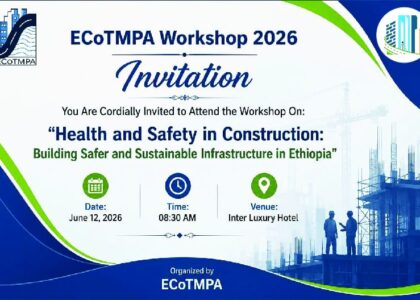

The construction industry moves fast. New materials, regulations, tools, and technologies appear every year, and the expectations placed on professionals keep rising. In a sector where small mistakes can cost time, money, and even lives, continuous learning is not just helpful — it’s necessary.
Professional development is the engine that keeps the industry growing, improving, and staying competitive. Here’s why it matters more than ever, especially in Ethiopia’s rapidly expanding construction landscape.
1. Better Skills Lead to Better Projects
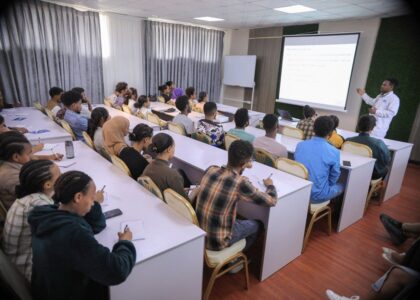
Projects succeed when the people behind them have strong technical and management skills. Training workshops and CPD programs help engineers, architects, contractors, and supervisors stay sharp and updated.
Improved skills mean:
- Fewer design and planning errors
- Better resource management
- Higher quality work
- Safer construction sites
When professionals improve, projects improve with them.
2. Modern Technology Requires Modern Knowledge
Today’s construction world is shaped by digital tools:
- BIM
- project management platforms
- drones
- advanced surveying equipment
- new materials and construction systems
Without training, these tools become underused or used incorrectly. With training, they become powerful solutions that reduce delays, improve accuracy, and raise quality standards.
The industry needs tech-ready professionals, not just traditional ones.
3. Stronger Ethics and Professional Standards
Construction is not only about technical skills. It’s also about integrity, transparency, and ethical decision-making. Professional development helps reinforce values like:
- responsibility
- honesty
- safety awareness
- quality assurance
Regular training ensures that standards remain high across the sector, not just in a few companies.
4. Better Communication and Collaboration
Large construction projects involve many people:
consultants, contractors, suppliers, clients, and government bodies. Miscommunication is one of the biggest causes of delays and disputes.
Training helps professionals learn:
- how to document properly
- how to coordinate more clearly
- how to manage teams and stakeholders
- how to handle conflicts and expectations
Good communication builds trust, and trust keeps projects moving.
5. A More Competitive Industry
Countries with strong training cultures build faster and deliver better quality infrastructure. Ethiopia’s construction sector can compete globally by investing in continuous learning.
The long-term impact:
- stronger companies
- more skilled professionals
- higher safety standards
- reduced wastage and inefficiencies
- improved public confidence in the industry
Professional development is the foundation of a modern, reliable construction sector.
Final Thoughts
Construction professionals shape the built environment. Their skills influence everything — safety, quality, cost, and the future of cities and communities. Continuous learning is how the industry protects its future and lifts its standards.
Professional development is not an extra task. It’s part of being a responsible professional.