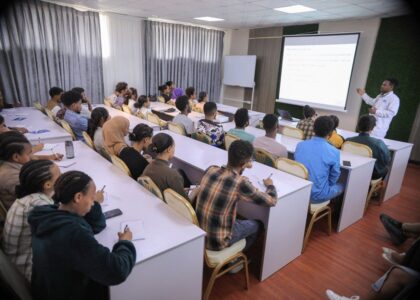

A strong construction industry doesn’t grow from one side alone. It grows when government institutions, private companies, and academic organizations work together with a shared vision. Each group holds a different strength — and when those strengths are combined, the whole sector becomes more efficient, innovative, and future-ready.
This kind of collaboration is not just helpful; it’s essential for Ethiopia’s construction industry.
1. Government: Setting Standards and Creating the Environment
Government agencies guide the industry with policies, regulations, and public projects. They shape how construction is done, what standards must be followed, and how safety and quality are measured.
Where government contributes:
- Building codes and regulations
- Investment policies
- Infrastructure planning
- Public procurement systems
- Support for training and professional standards
When regulations are clear and consistent, the sector becomes more predictable and more professional.
2. Private Sector: Driving Efficiency and Innovation
Private contractors, consultants, and developers bring practical experience and modern tools to the industry. They understand the day-to-day challenges of delivering projects and push the sector toward better methods.
Private sector strengths:
- Faster adoption of new technologies
- More efficient work processes
- Real-time problem solving
- Quality-driven competition
- Investment in machinery, materials, and skilled workers
The private sector keeps the industry moving forward through innovation and practical solutions.
3. Academia: Building the Next Generation of Professionals
Universities and technical institutions prepare the future workforce. They teach theory, research, and the scientific foundations of engineering and management. Their role is essential for long-term growth.
Academic contributions:
- Research on new technologies and materials
- Training tomorrow’s engineers and managers
- Providing updated knowledge and scientific insight
- Supporting professional development programs
Strong academic partnerships ensure a supply of capable, well-prepared professionals.
4. Why Collaboration Matters
When these three groups work separately, progress is slow. But when they collaborate, each fills the gaps of the others.
The results of strong collaboration:
- Better project quality
- Stronger safety standards
- Faster adoption of modern technology
- More practical and research-backed solutions
- Improved policy decisions
- A workforce that is both skilled and adaptable
The entire construction ecosystem becomes more reliable and more competitive.
5. The Role of Professional Associations
Associations like ECoTMPA sit at the center of this collaboration. They connect people, bridge communication gaps, and bring all sides to the same table.
They help by:
- organizing workshops and technical discussions
- sharing research and publications
- creating platforms for dialogue
- supporting policy improvement
- uniting professionals across different disciplines
This coordination is the backbone of a modern construction sector.
Final Thoughts
The future of Ethiopia’s construction industry depends on how well government, private sector, and academia work together. Strong collaboration leads to smarter planning, safer practices, and better-quality infrastructure. No single group can transform the industry alone — but together, they can build a stronger foundation for the country’s development.